
Plan for Smart Density & Housing Diversity
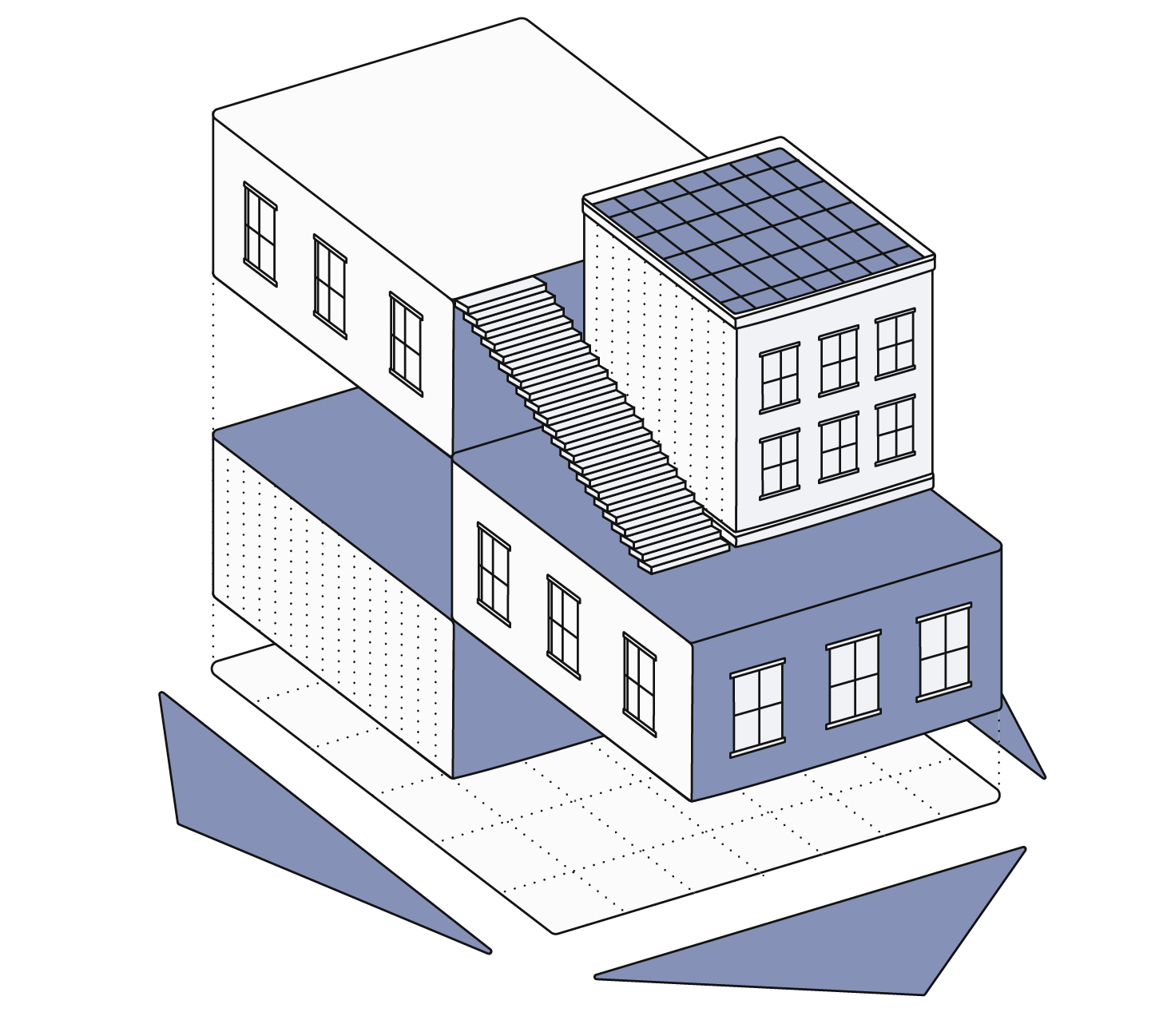
Are you updating your general plan and zoning regulations to increase density and enable diverse housing options?
Modern-day zoning has too often made more than one unit per lot illegal, making higher-density housing like duplexes, triplexes, cottage courts and live-work units hard to find. This paradigm should be flipped, and density should be increased where it makes sense to do so.

How to Start
Step 01: Reduce minimum lot sizes
Large lots cater to large homes, which are a more expensive, and less efficient, use of land. Lowering lot size requirements closer to the size of a starter home—around 2,000 square feet per lot—opens up possibilities for a smaller, more affordable, and more creative supply of new homes.

SOLUTION IN ACTION
A bold reimagining of neighborhoods
Zoning for Affordability in Portland, OR
“Cities need to stop waiting for perfect policies. Get housing built. Measure. Improve. Repeat.”
–Donnie Oliveira, Portland Deputy City Administrator
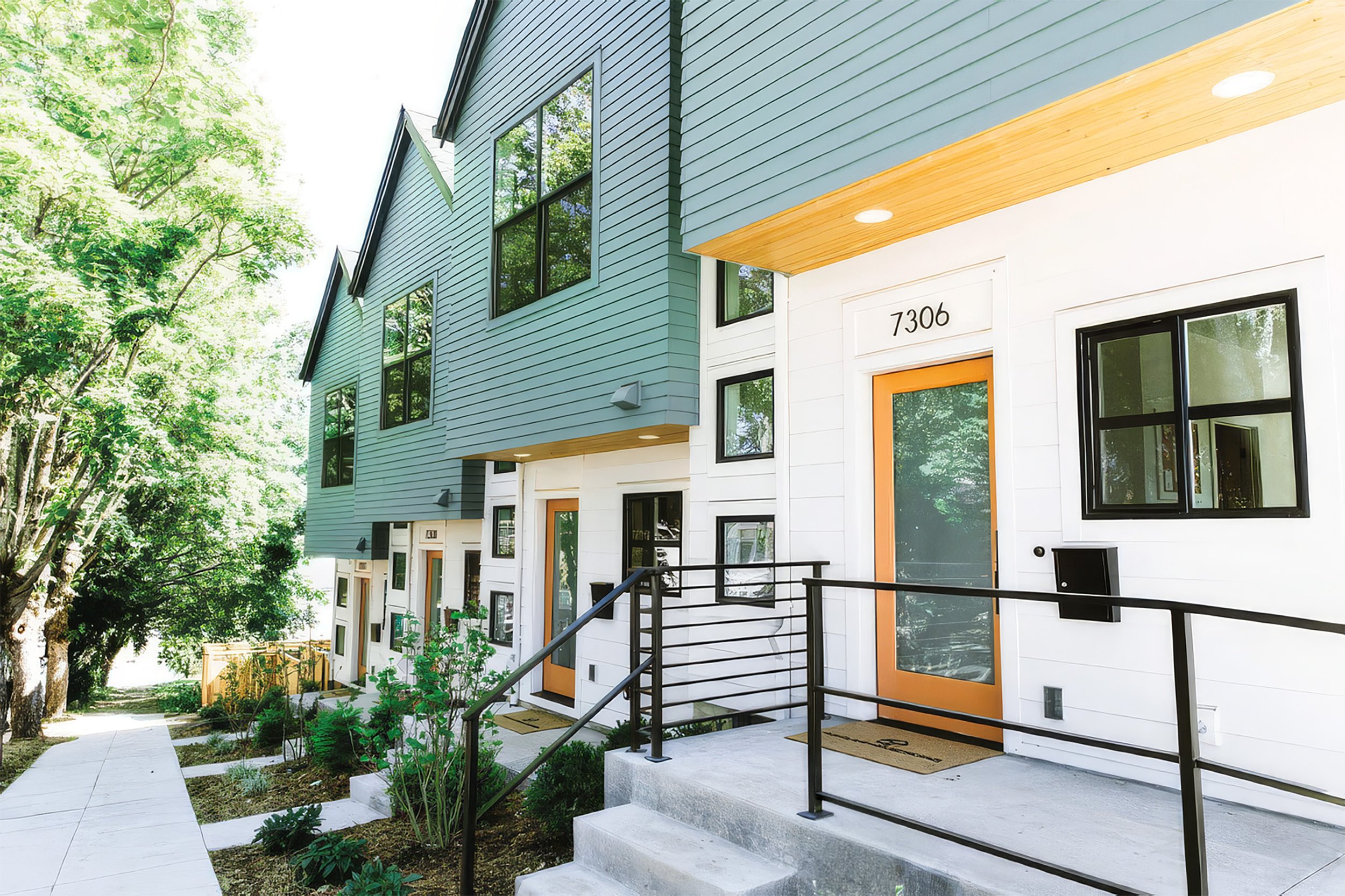
About a decade ago, 75% of Portland’s residential land was zoned exclusively for detached single-family houses, excluding the middle housing types that had once flourished in the city’s walkable neighborhoods.
The city’s response was a comprehensive rezoning that legalized middle housing in every neighborhood while layering in affordability and anti-displacement tools: the Residential Infill Project (RIP).
Since adoption, RIP has produced over 1,400 new housing units and counting. Many are $250–300K cheaper than new single-family homes in the same neighborhoods.
Read more to learn about how Portland worked collaboratively to overcome concerns and create a people-powered movement.
Lessons Learned from Other Cities
Engaging stakeholders to solve together.
Build Unlikely Coalitions Early
Portland’s success came from aligning groups not usually in the same room—builders, environmentalists, equity advocates, and aging-in-place supporters—around a shared vision of housing abundance and fairness.
Center Real People and Lived Experience
Organizers made the case by telling human stories, not just showing policy slides. This helped overcome fear-based resistance and built grassroots momentum in skeptical neighborhoods.
Pair Zoning Reform with Anti-Displacement Tools
Portland didn’t just upzone, it backed reforms with 12 targeted anti-displacement measures rooted in community-identified risk.
Deliver Policy with Implementation Muscle
RIP succeeded because city staff cleared red tape and prioritized execution. Success came not just from passing the policy but from making it work on the ground.
Treat Zoning Reform as an Ongoing Practice
Portland’s leaders see RIP not as a one-time win but as a new approach to housing policy: act, measure, adapt, and repeat.
INNOVATOR IN ACTION
The National Zoning Atlas (NZA) allows users to see how zoning laws impact local housing.

NZA arms advocates and policymakers with the data they need to make the case for reform. Covering two thirds of the country’s land area and population, this online tool allows users to see how zoning laws impact housing in their communities.
-
Public interactive map shows zoning conditions governing every published parcel
Zoning Snapshots summarize stats for every city, town, county, metro area, and state in the NZA
Standardized methodology codes 200+ zoning characteristics per district
Expert staff of planners, geographers, legal experts, and researchers collect and analyze the data
-
1.5 billion acres of land analyzed for their zoning conditions
1.35 million+ pages of zoning code read and standardized
94% vs. 12%: share of U.S. land where single-family vs. multi-family housing is allowed by right
-
The NZA team is based in seven states and has been helped by more than 500 external contributors from across the country.