
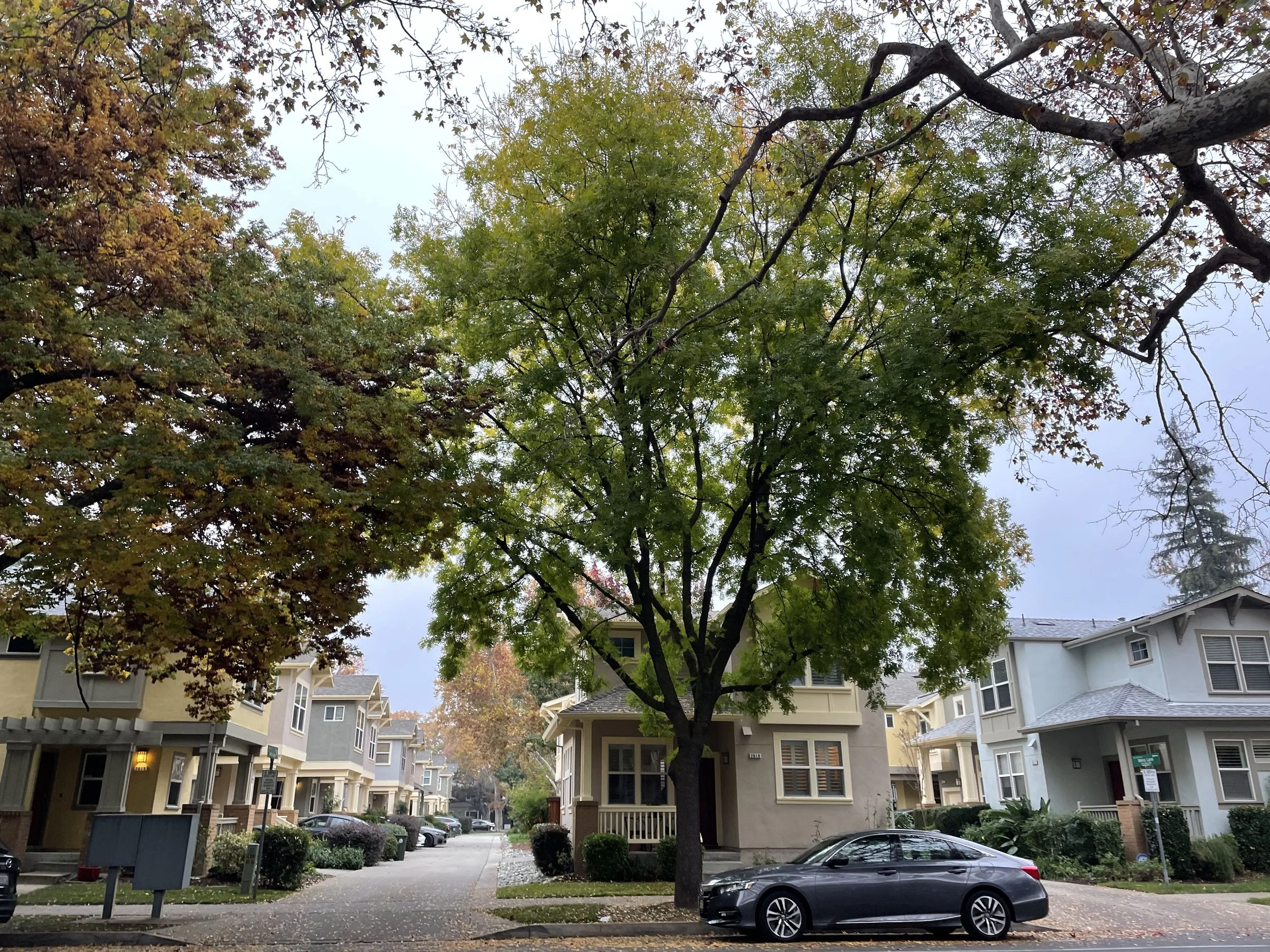
Across the Sacramento region, aging infrastructure, fragmented zoning, and corridor disinvestment have long constrained infill development. Add to that the challenge of centering local voices, especially in neighborhoods historically excluded from planning decisions.
The Solution: Green Zones + Grant Funding
LOCAL PARTNERSHIPEnter Green Means Go. Developed through years of consensus-building across 26 local jurisdictions—laying the groundwork, designating infill corridors, and securing early funding—the Sacramento Area Council of Governments’ (SACOG’s) initiative was designed to unlock exactly those kinds of projects. SACOG helped local governments define Green Zones: designated corridors and districts ready for infill housing and mixed-use investment. Then came the push to align those local visions with real capital.
“We had laid this vision, we had this amazing regional alignment… and I remember sitting with my team thinking, we’re not going to be able to continue the momentum of the program because of our funding situation,” said Dov Kadin, senior planner at SACOG. “And if we can’t deliver on the vision we’ve rallied everyone around, what message does that send to our local partners?”
The tipping point came with a $22.5 million federal Reconnecting Communities Grant, one of the largest such awards in the nation. The funding spans ten projects—urban and rural—across the SACOG region. It enables sewer and stormwater upgrades, walkable street designs, zoning and land use realignments, and workforce development partnerships. Crucially, each project embeds community-based organizations and frontline community input into the engagement process.
“The idea is to match local vision with real financial capacity,” says Kadin.
“We’re bringing cities to the table not just to plan, but to act—and to build trust with their own residents in the process.”They also received a $2 million investment from Health Net to fund a catalytic affordable housing project in Sacramento County and released a call for projects in May 2026
Equity and Engagement
AS DESIGN FEATURES, NOT AFTERTHOUGHTSFrom the outset, Green Means Go has treated equity and local voice as non-negotiables, ensuring that planning is led in partnership with communities, not just for them. In places like Del Paso Heights, a historically disinvested community in North Sacramento, this approach is yielding tangible results. With support from Green Means Go, the city secured $3.9 million for foundational sewer infrastructure that opens the door to dozens of infill lots.
“This isn’t just a housing strategy, it’s a community investment strategy,” said Hannah Tschudin, SACOG planner. “And that only works if you start by listening.”
The Results: Momentum in Motion
26 jurisdictions have adopted Green Zones.
$60M+ in cumulative funding has been mobilized.
8,000 potential infill units, with 6,000+ targeted for low- and moderate-income households.
10 major planning projects underway via the $22.5M federal grant.
And perhaps more important than any single number: Green Means Go has demonstrated that regional agencies can lead boldly, not just through plans, but through execution.
Lessons for Other Cities
Let localities define the zonesBottom-up visioning builds credibility.
Pair infrastructure with reformPhysical fixes alone won’t unlock housing.
Embed equity throughoutEngagement can’t be retrofitted.
“The cities and counties we work with are ready,” says Tschudin. “They just need someone to help align the dots between housing, transportation, and people.” For Kadin, the funding scare was a turning point—but also a validation.
“When we finally got that grant, it felt like the whole region exhaled,” he says. “We weren’t just holding the vision anymore, we were delivering on it.”