

Simplify Design Standards
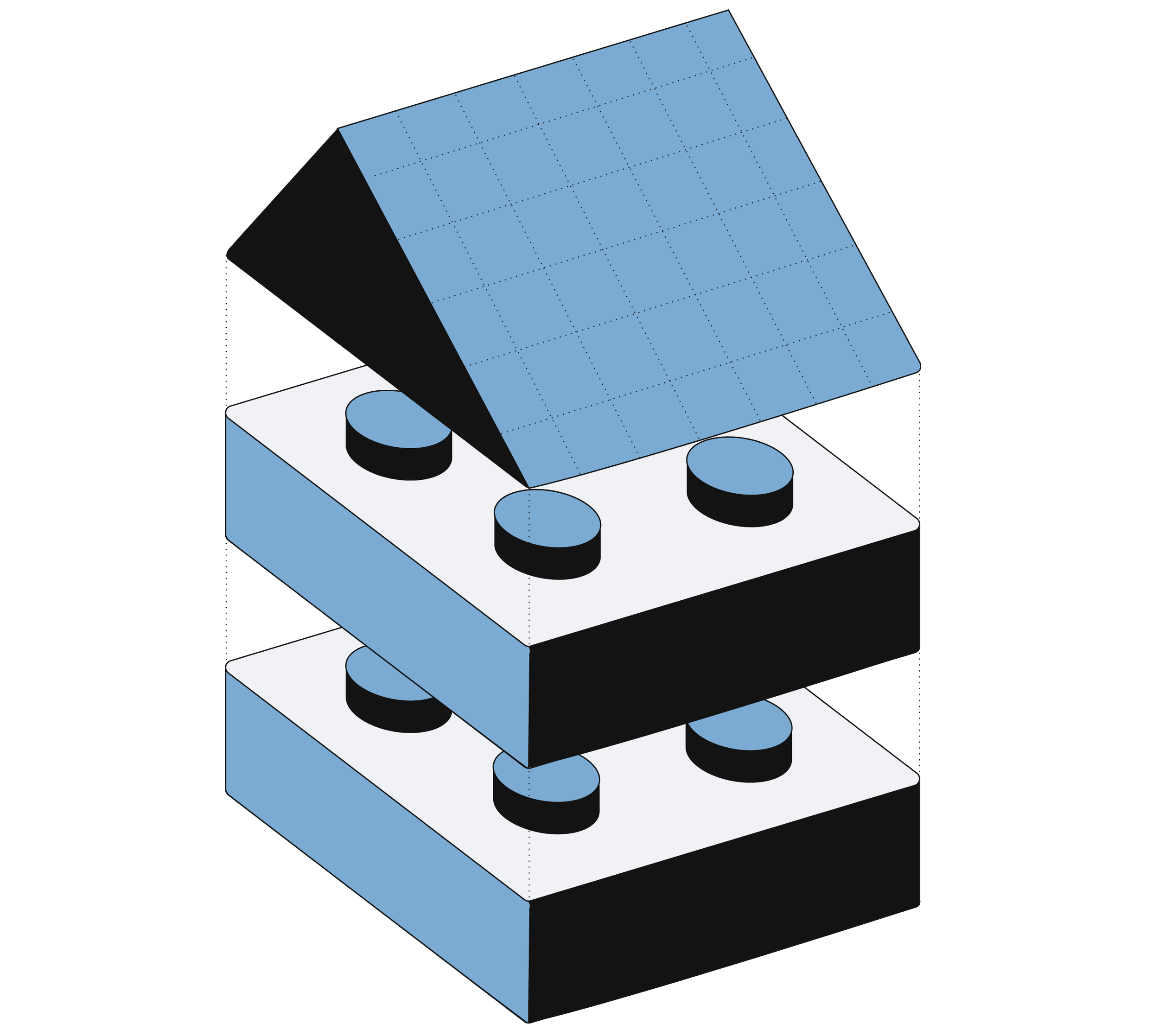
What happened to starter homes?
In a market of big homes on large lots with high prices, we need to bring back smaller homes on smaller lots—homes that actually meet a first-time homebuyer’s price point. Unfortunately, starter homes have become all but impossible to build.

How to Start
Step 01: Convert subjective design standards into objective ones so they are clear and measurable for developers, and administrable by city staff.
Map every point where housing projects trigger discretionary approval by a planning commission, council, or design board. Rewrite those requirements to remove the extra layer of approval—for example, replace “compatible with neighborhood character” with specific form standards for height, setbacks, and materials.
Why is this solution vital?
95%
Increase in average monthly mortgage on a median priced home from 2020–2025.
1 Joint Center for Housing Studies of Harvard University (2026). The State of the Nation’s Housing.
Potential homebuyers are increasingly priced -out of the market, with the average monthly mortgage on a median priced home increasing by more than 95% between 2020–20251. A big reason for the starter home market void is that overly strict design and siting requirements make it hard to use land in the most productive way. Stringent design standards add extra time and compliance confusion to the development process, limiting opportunities to build entry-level homes.

SOLUTION IN ACTION
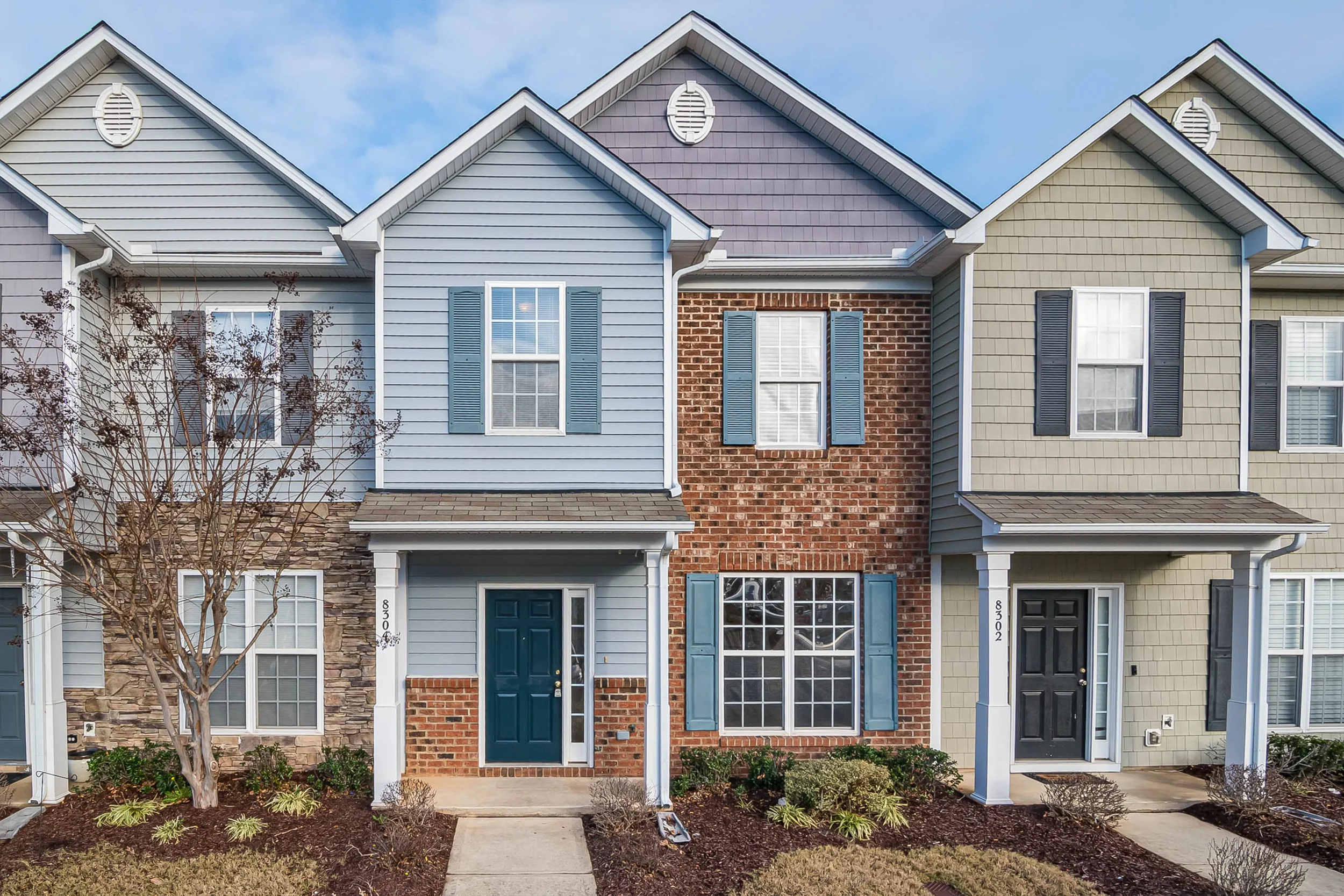
How Pre-Approved Plans Sparked A Housing Revival In South Bend, IN
“We realized early on that no one was coming to save us. The community would have to do this itself.”
–Tim Cocoran, Director of Planning & Community Resources, South Bend, IN
South Bend cataloged hundreds of routine zoning variances, and invested in mapping the financial productivity of its land. The result was a data-backed case for middle-density housing: walkable, human-scaled, financially productive infill—leading the way for a set of pre-approved plans, “Build South Bend.”
Read more to learn about South-Bend’s builder-friendly reforms which are chipping away at the affordability barrier.
Lessons Learned from Other Cities
What strategies can you use in your community to recreate South Bend’s success?
Own the Plans
Make them free and flexible. Control of intellectual property matters.
Fix the Process, Not Just the Product
Developing the plans revealed bottlenecks in permitting and water line standards as well as interdepartmental misalignments. Fixing those benefits all new construction.
Start Small, Build Trust
South Bend didn’t try to change everything overnight. “Incrementalism is a feature, not a bug,” Corcoran said.
Use the Math
Financial productivity mapping helped build support across political and ideological lines, not just procedurally. Cities should build narratives that frame permitting reform as a community benefit.
Design for the Neighborhood
The right design lowers neighborhood resistance and accelerates community buy-in.
INNOVATOR HIGHLIGHT
Partnering with Incremental Development Alliance can help streamline the adoption of this Solution.

Incremental Development Alliance (IncDev) trains small-scale developers and civic leaders to take on small, practical development projects in their communities (think: duplexes, main street buildings, and rehabs) and supports communities to make that work easier.
-
Searchable Planning Knowledge Base that centralizes zoning and policy guidance
Digital Fee Calculator that computes jurisdictional-specific permit and entitlement fees automatically
Guided Intake to ensure applicants upload all required materials upfront
Plan Checklist to standardize review and reduce revision cycles
Permitting System that routes reviews, tracks status, and keeps applicants updated
-
30-40 hours saved per week in staff time
45% increase in completed initial applications
Smoother onboarding and streamlined work-flows for planning staff = happy planners!
-
Infilla has partnered with the State of Delaware, San Francisco Planning, Sonoma County, CA, El Segundo, CA, Tulare County, CA, Richmond, CA, Mountain View, CA, and the NYC Department of Building via the Buildings Tech Lab.

What’s Next?
Download our Municipal Action Checklist to get started.
Previous Solution

Next Solution
