

Employ new construction methods
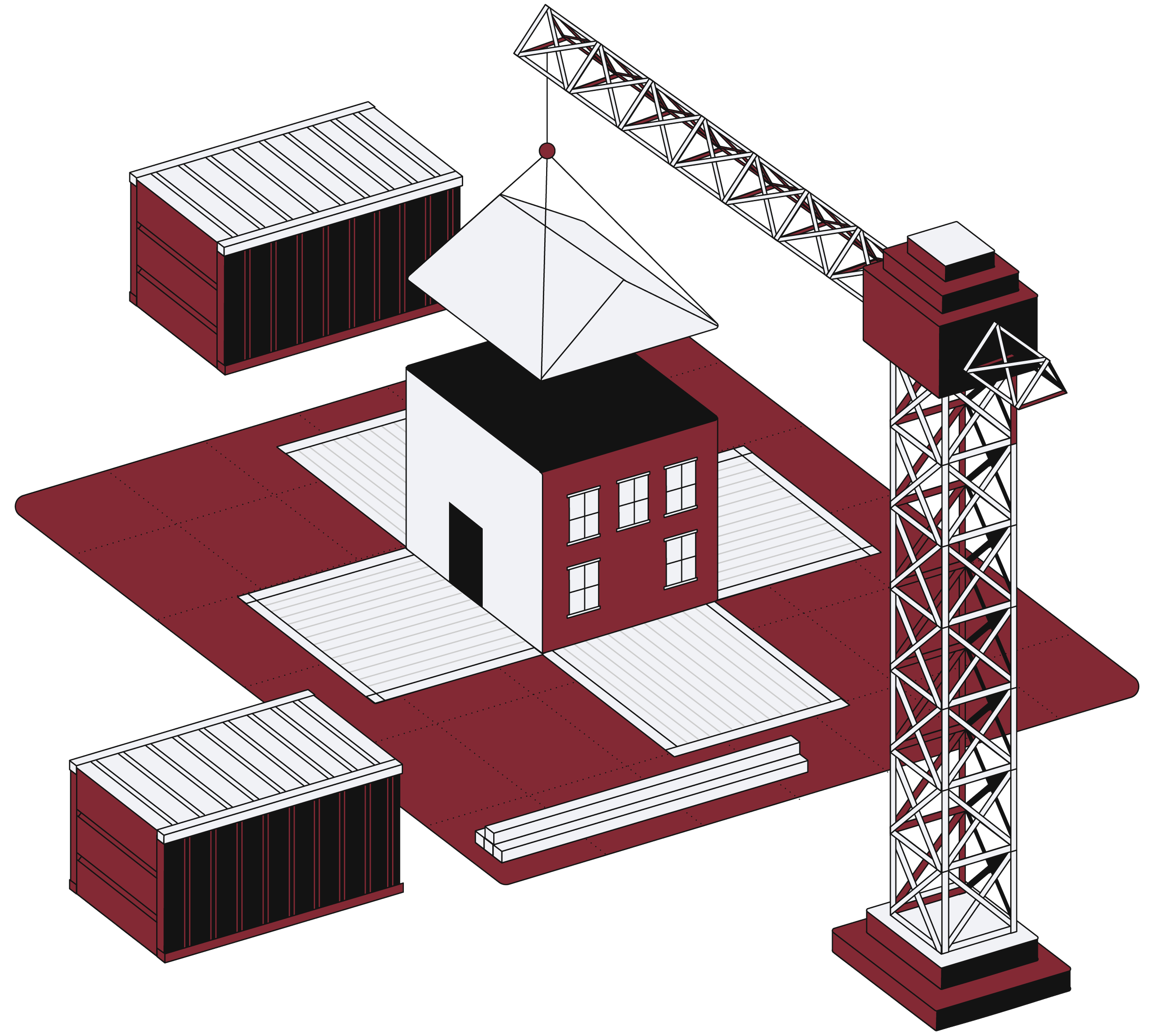
Why has it gotten so expensive to build?
Early research in the field estimates that time savings from modular construction can reduce total development costs.
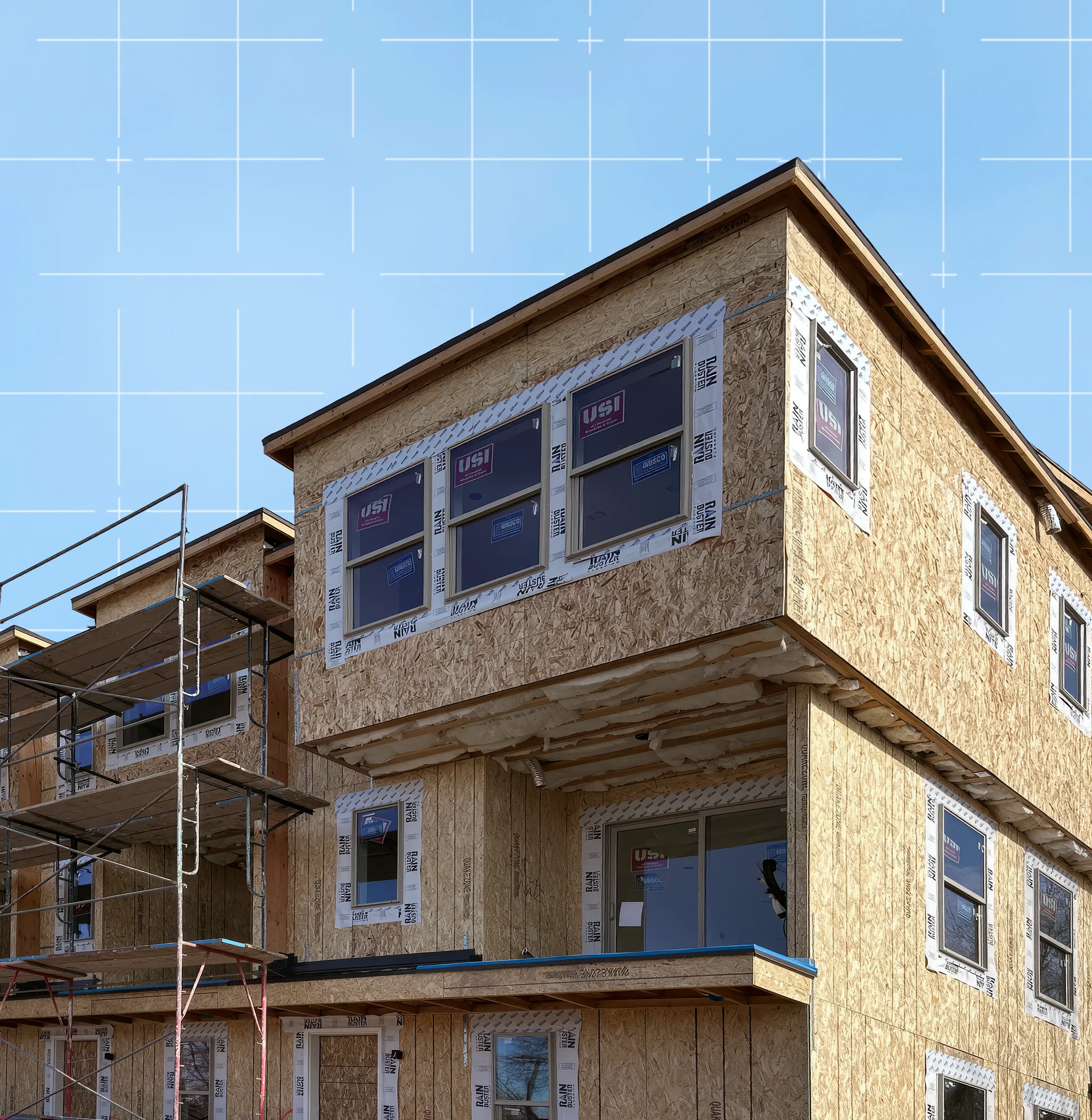
A big barrier to adopting new construction technologies is the stigma around a cultural—and often biased—conception of manufactured housing. Additionally, many cities use zoning to prohibit modular and manufactured housing. But technology has come a long way, and the cost-saving potential of these methods is promising. Cities can play an influential role in championing change in how housing is built.
How to Start
Step 01: Support Innovation Locally
Promote education and advocacy around new construction methods, especially for planners, permitting staff, developers, residents, and elected officials. Demonstration projects can also help engage the public in new construction technology.
Why is this solution vital?
$170K
budget limit for a family at 80% AMI.
A new home costs $300-350K to build, but a family at 80% AMI can afford $170K. Once a city completes even a few modular projects, GCs, permitting officials, community members, and other key stakeholders gain the familiarity needed to facilitate more modular work from private developers.

SOLUTION IN ACTION
A replicable roadmap for fast, affordable homes
Building Innovation in Minneapolis, MN
“Modular on scattered sites is a complex lift—technically, politically, emotionally. There were moments when I honestly wasn’t sure we’d make it. But what got us through was this stubborn belief that families at 30% AMI deserve the same quality, beauty, and dignity in housing as anyone else.”
–Mary Tingerthal, former State Housing Commissioner
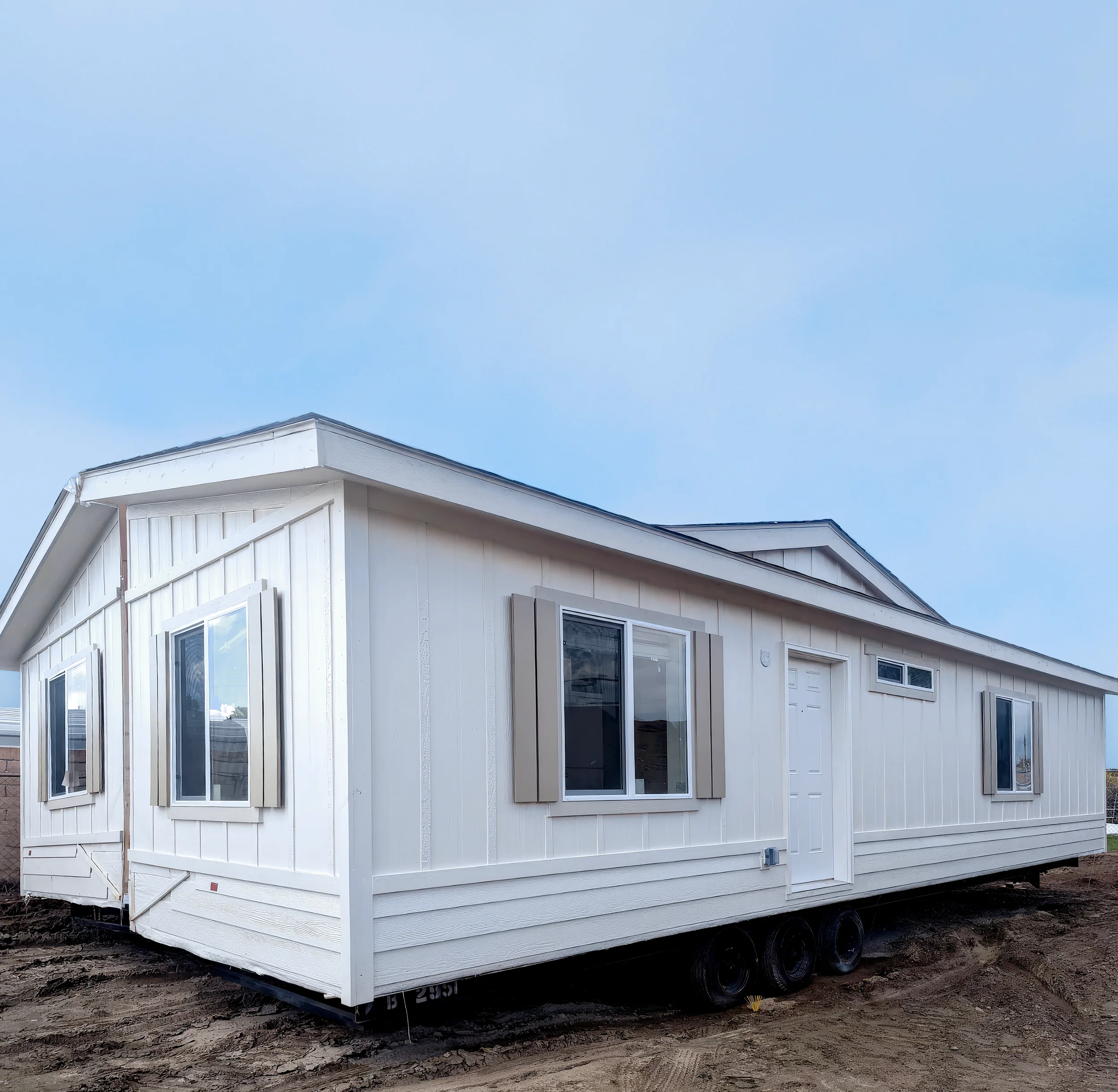
The Minneapolis Public Housing Authority (MPHA) launched its Family Housing Expansion Project to show that modular homes could be built quickly and affordably on scattered sites, in a way other housing authorities could replicate. The project delivered 84 homes for families at 30% of area median income, including 17 for families exiting homelessness.
A two-step procurement required architects, modular builders, and contractors to team up from the start, keeping design, factory, and fieldwork aligned. Factory-built units delivered by truck and set by crane shortened the schedule: families moved in 10 months after construction began, with full delivery at 13 months, saving an estimated $100,000 per month in avoided carrying costs.
Read more to learn about the process, the research, and the intention behind local modular innovation in Minneapolis, MN.
Lessons Learned from Other Cities
What strategies can you use in your community to recreate Minneapolis’ success?
Trust is Foundational
MPHA earned community trust by meeting neighbors face-to-face, explaining the project clearly, and addressing concerns with genuine transparency and care.
Procurement Models Matter
By requiring architects, modular manufacturers, and builders to team up from the start, MPHA aligned everyone early and avoided expensive coordination mistakes later.
Infill Done Right Can Heal
Turning vacant lots into scattered-site homes let MPHA strengthen existing neighborhoods without displacing anyone
INNOVATOR HIGHLIGHT
The city of Cleveland’s modular testbed is lowering the risk of offsite construction.

Cleveland, OH, is using its Housing Innovation District as a live testbed for offsite construction, pairing a modular manufacturer pilot with pre-approved plans and pre-funded site prep to cut the cost and risk of building offsite in a legacy market.
-
Searchable Planning Knowledge Base that centralizes zoning and policy guidance
Digital Fee Calculator that computes jurisdictional-specific permit and entitlement fees automatically
Guided Intake to ensure applicants upload all required materials upfront
Plan Checklist to standardize review and reduce revision cycles
Permitting System that routes reviews, tracks status, and keeps applicants updated
-
30-40 hours saved per week in staff time
45% increase in completed initial applications
Smoother onboarding and streamlined work-flows for planning staff = happy planners!
-
Infilla has partnered with the State of Delaware, San Francisco Planning, Sonoma County, CA, El Segundo, CA, Tulare County, CA, Richmond, CA, Mountain View, CA, and the NYC Department of Building via the Buildings Tech Lab.
What’s Next?
Download our Municipal Action Checklist to get started.
Previous Solution

Next Solution
